
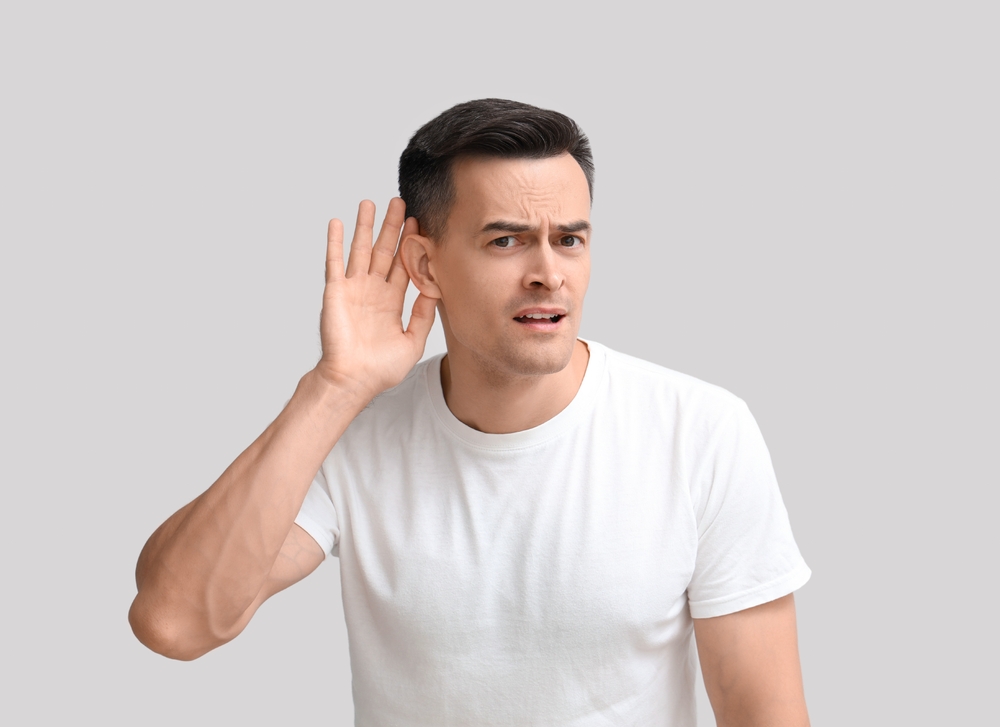
Have you noticed a distinct sense of exhaustion after participating in lengthy verbal interactions?
It is easy to misattribute this fatigue to general stress, lack of sleep, or sensory overload. Certainly, for those with introverted tendencies or sensory processing sensitivities, social engagement is naturally taxing. But in some cases, the cause is a lesser-known culprit: auditory fatigue.
Auditory fatigue happens when your brain has to work harder to process sound. When hearing is not as clear as it should be, the brain often tries to fill in missing pieces of speech and interpret unclear sounds, which takes significant mental effort. Sustained periods of this “effortful listening” eventually lead to total cognitive depletion.
Many people mistake auditory fatigue for ordinary tiredness. Critically, this exhaustion is often a primary indicator of underlying auditory pathologies. Undergoing a clinical screening can identify the extent to which hearing loss drives your daily fatigue. Should these symptoms persist, it is vital to discuss the possibility of hearing loss with a healthcare professional.
Why Your Brain Suffers from Auditory Fatigue
Various stressors can overtax the auditory cortex, leading directly to the onset of auditory fatigue.
Why Untreated Hearing Impairment Causes Fatigue
Failing to address hearing loss is a major factor in the development of persistent auditory fatigue.
If the peripheral auditory system fails to deliver clear data, the brain must use context clues to guess the missing information. This constant guesswork increases listening effort, which can quickly lead to mental exhaustion during conversations.
Auditory Fatigue in Social Settings
Acoustically complex settings serve to intensify the demand on the brain’s filtering systems. Restaurants, meetings, family gatherings, and social events often include background noise competing with speech.
When multiple sounds occur at once, the brain must filter through them to identify the important information. The resulting cognitive overload is particularly severe for those managing even marginal degrees of hearing loss.
Tinnitus and Sound Distortion
Tinnitus, often described as ringing or buzzing in the ears, can also contribute to listening fatigue because the brain must process external sounds and internal noise signals simultaneously.
A distorted acoustic signal acts as a “broken link,” requiring the brain to expend extra energy to fix the data in real-time.
Identifying the Symptoms of Listening Exhaustion
Auditory fatigue can affect both mental focus and overall energy levels. Typical red flags for this condition include:
- Sense of being “wiped out” after a basic discussion
- Reduced focus during professional or social group settings
- Headaches after long listening periods
- Feeling “on edge” or frustrated when trying to follow a conversation
- Withdrawing from conversations or social events
- The need for a “quiet recovery period” following social exposure
If these symptoms occur frequently, it may indicate that your ears and brain are working harder than they should.
The Cognitive Cost of Auditory Decline
Clear auditory input allows the brain to interpret sound with virtually no conscious effort. When input is weak, the brain must “steal” processing power from other areas to manage auditory interpretation.
Researchers describe this as increased cognitive load. It involves the brain siphoning energy from memory retrieval and focus to prioritize basic speech understanding. Over time, this extra effort can leave you feeling mentally depleted. Standard dialogue, which should be easy, becomes a high-intensity cognitive task.
How a Hearing Test Can Identify the Problem
A formal auditory screening is the most effective way to determine why you feel so drained. In the clinic, an expert will assess your ability to detect specific pitches and interpret clear speech. Testing your hearing in a noisy context is vital for identifying the true drivers of your social exhaustion.
The results of a hearing test provide the roadmap for addressing both the impairment and the resulting burnout. Timely audiological care is the most effective way to halt the progression of auditory fatigue.
How Hearing Treatment Reduces Listening Effort
Addressing the underlying impairment is the most direct way to eliminate auditory fatigue.
Advanced hearing aids utilize AI to sharpen speech signals while simultaneously suppressing irrelevant environmental noise. Consequently, the brain receives a high-fidelity signal that requires no guesswork or phonemic restoration.
As the cognitive burden of hearing is lifted, patients typically report gains in:
- General energy levels from morning to evening
- Increased attention span during long discussions
- Reduced anxiety and heightened ease during social events
As the brain stops struggling to hear, the world of sound becomes a source of joy rather than a source of stress.
Recognizing the Right Moment for a Hearing Test
Consider booking a hearing test if any of the following rings true:
- Socializing feels like a high-intensity mental workout
- Loved ones notice that you frequently require clarification during talk
- You struggle to follow discussions in noisy environments
- Social withdrawal is becoming your default response to difficult acoustics
Early action on hearing impairment is a foundational step in preserving your mental and social health.
Frequently Asked Questions: Auditory Fatigue
Distinguishing Between Exhaustion and Impairment
Actually, no; auditory fatigue is the cognitive result of the strain, not the physical impairment itself. While they are different, hearing loss is the direct driver of most fatigue cases.
Can Technology Lower My Cognitive Load?
Absolutely; by cleaning up the acoustic signal, modern devices take the processing load off the brain.
Can Auditory Fatigue Be Cured?
Typically, this fatigue is transient and resolves once the auditory system is supported by clinical care.
Stop Feeling Drained After Conversations
Socializing should replenish you, not leave you feeling drained. If you are suffering from chronic post-social burnout, your auditory system is likely over-exerting itself.
Schedule your hearing test today by contacting us today. The path to social confidence and mental clarity begins with accurate hearing data.